All projects

Project 02 / Vancouver Island, B.C.

More Than
a Tree.

Because it’s never just a tree.

A proposed initiative to support the protection of ancient forests and the wildlife that depends on them.

Explore the planProposed · Initial development
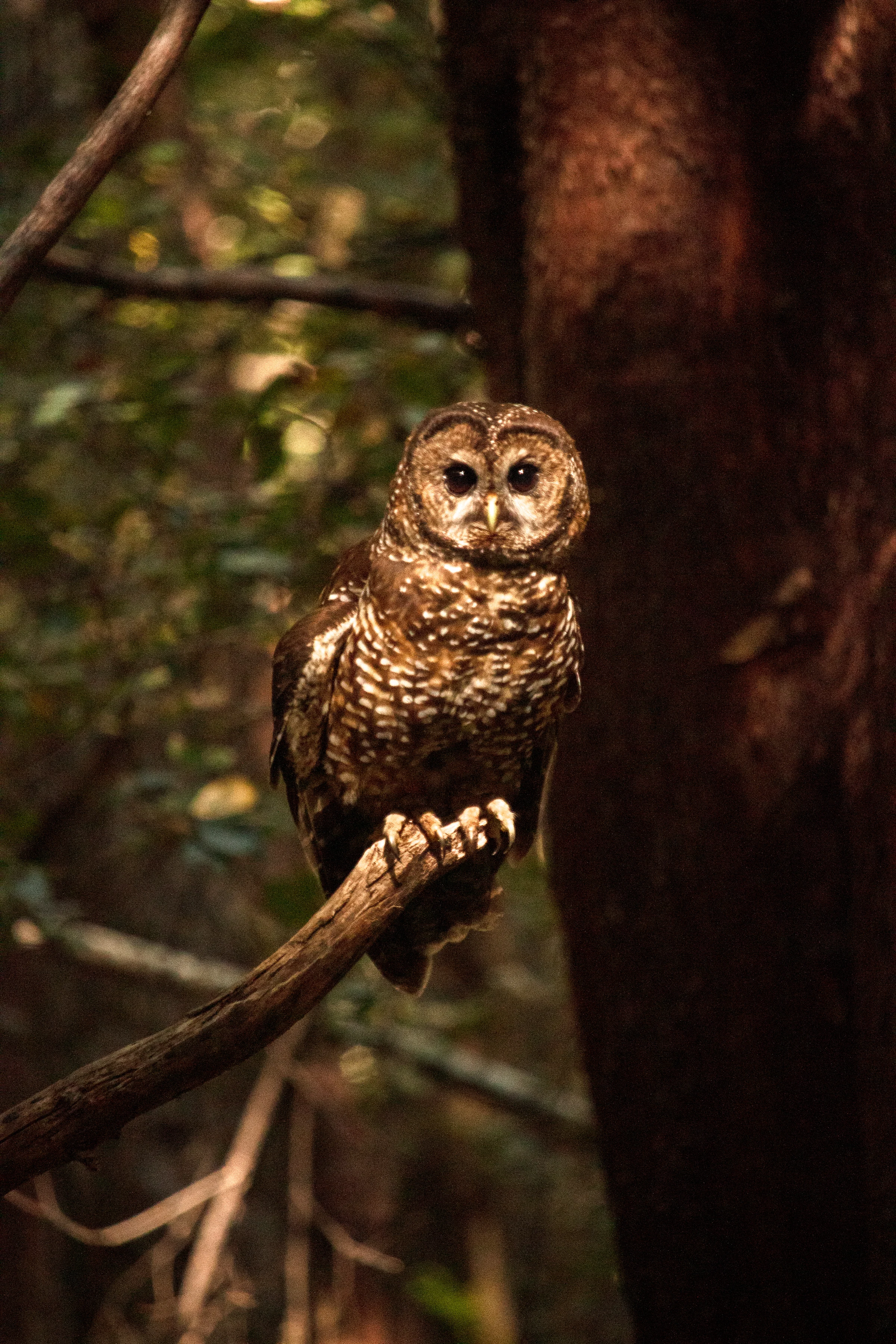
Northern spotted owl perched on a branch in dappled woodland light; reference photograph
Northern spotted owl · Mainland forest conservation context, not a Vancouver Island species.
Location

Vancouver Island, Canada

Focus

Old-growth forests & wildlife

Our role

Fundraising & conservation support

Initial target

$10,000 CAD

The place that stayed with us

A surfing trip.
A deeper connection.

During a surfing trip to Tofino, Claudia Dargis and Oneil Boulay, Co-founders of One Journey Foundation, were mesmerized by the extraordinary size and beauty of Vancouver Island’s ancient forests.

Exploring the area with our friends Samantha and Bailey, we learned more about old-growth logging, habitat loss and what these changes can mean for wildlife. That experience stayed with us.

We came for the ocean. We left thinking about the forest, and about every living thing that calls it home.

More Than a Tree is the initiative we propose in response: supporting credible conservation efforts, sharing the stories behind them, and showing clearly how our contributions are used.

From our own journey

The places behind the purpose.

Our photographs from Vancouver and Tofino. Moments that helped us look more closely at the living landscapes around us.

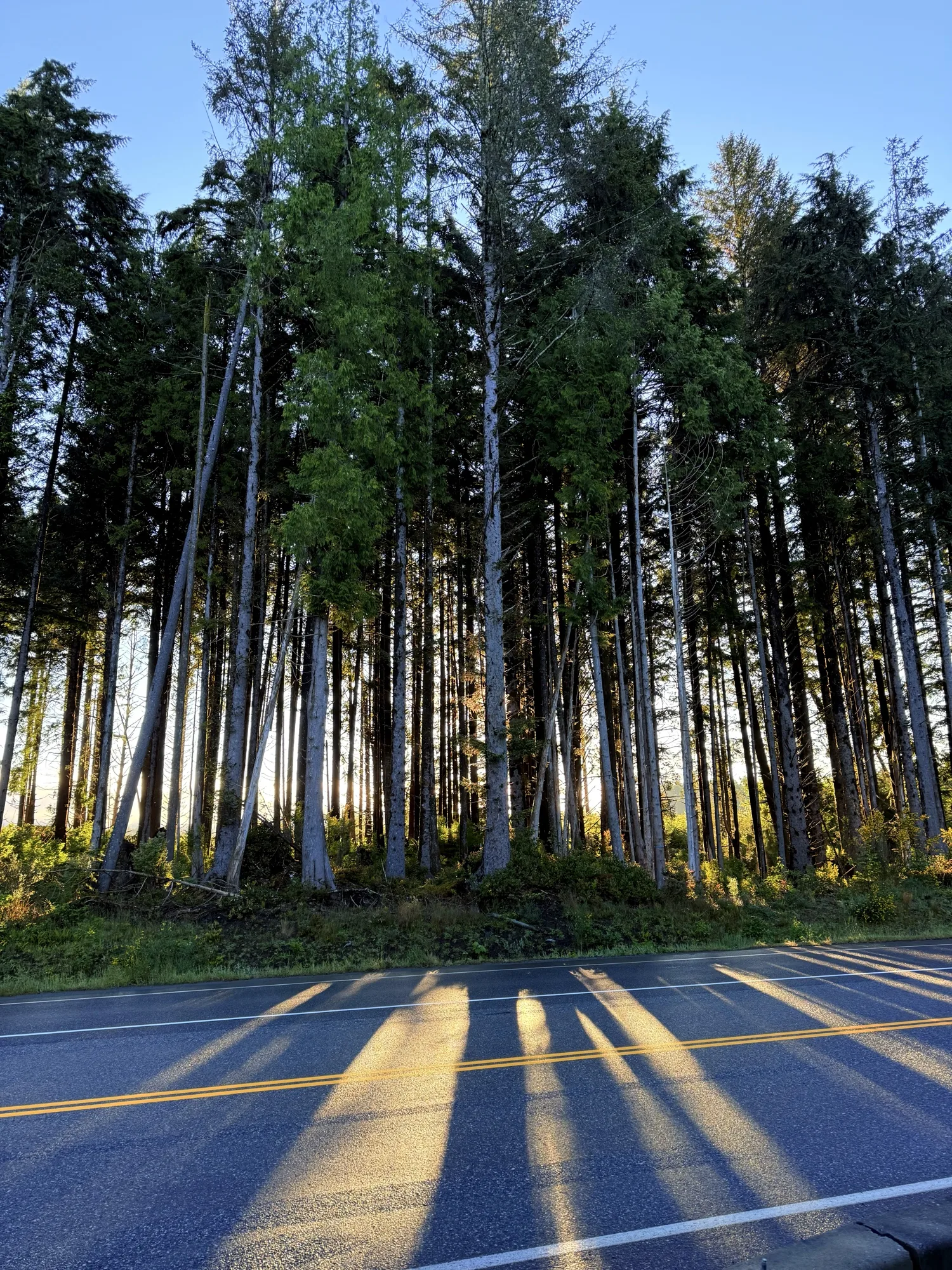
Late sunlight passing through tall trees beside a road in TofinoView photograph
01 / Tofino

Light through the trees.

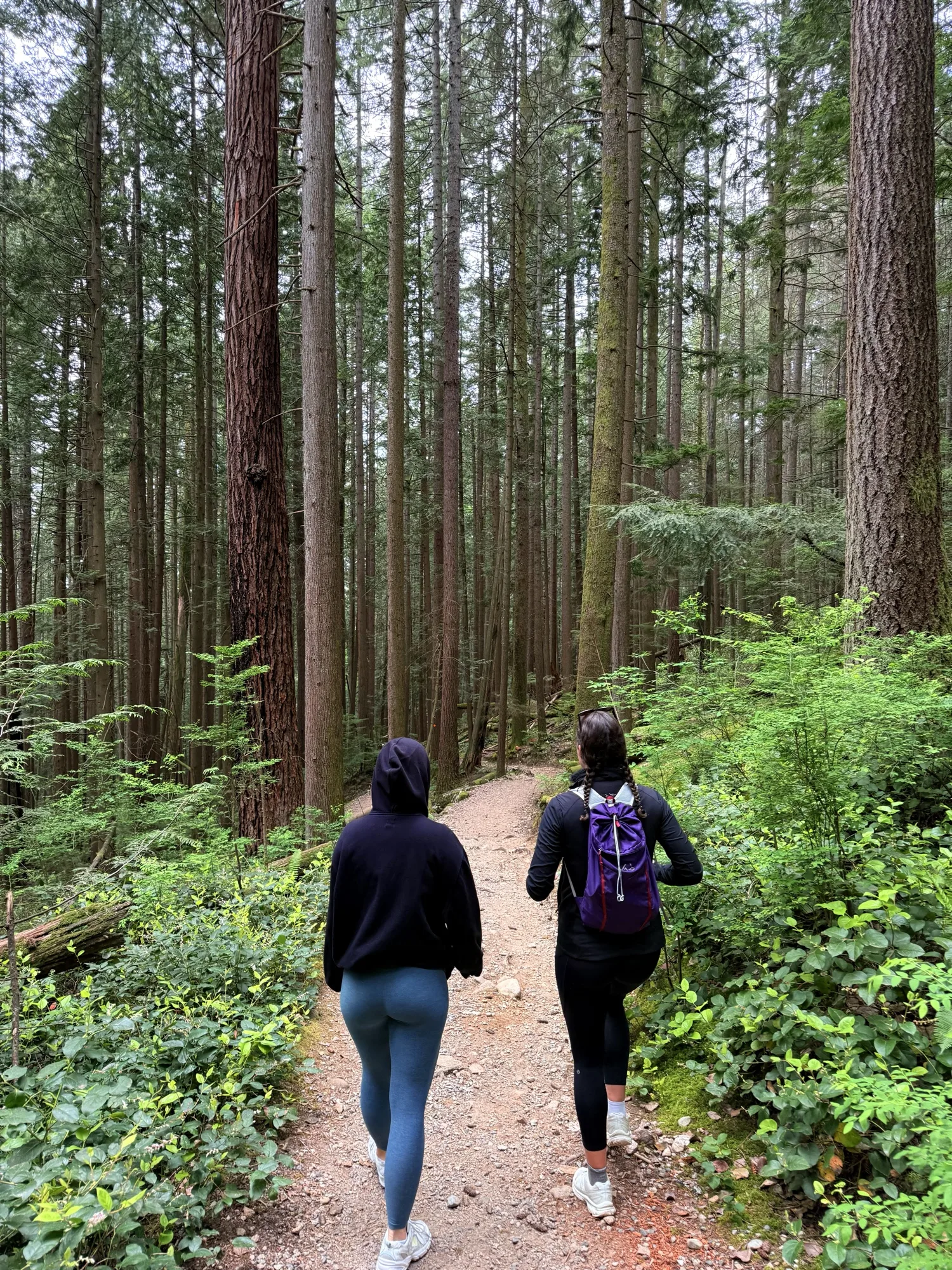
Two walkers following a forest trail among tall trees in VancouverView photograph
02 / Vancouver

A walk among the trees.

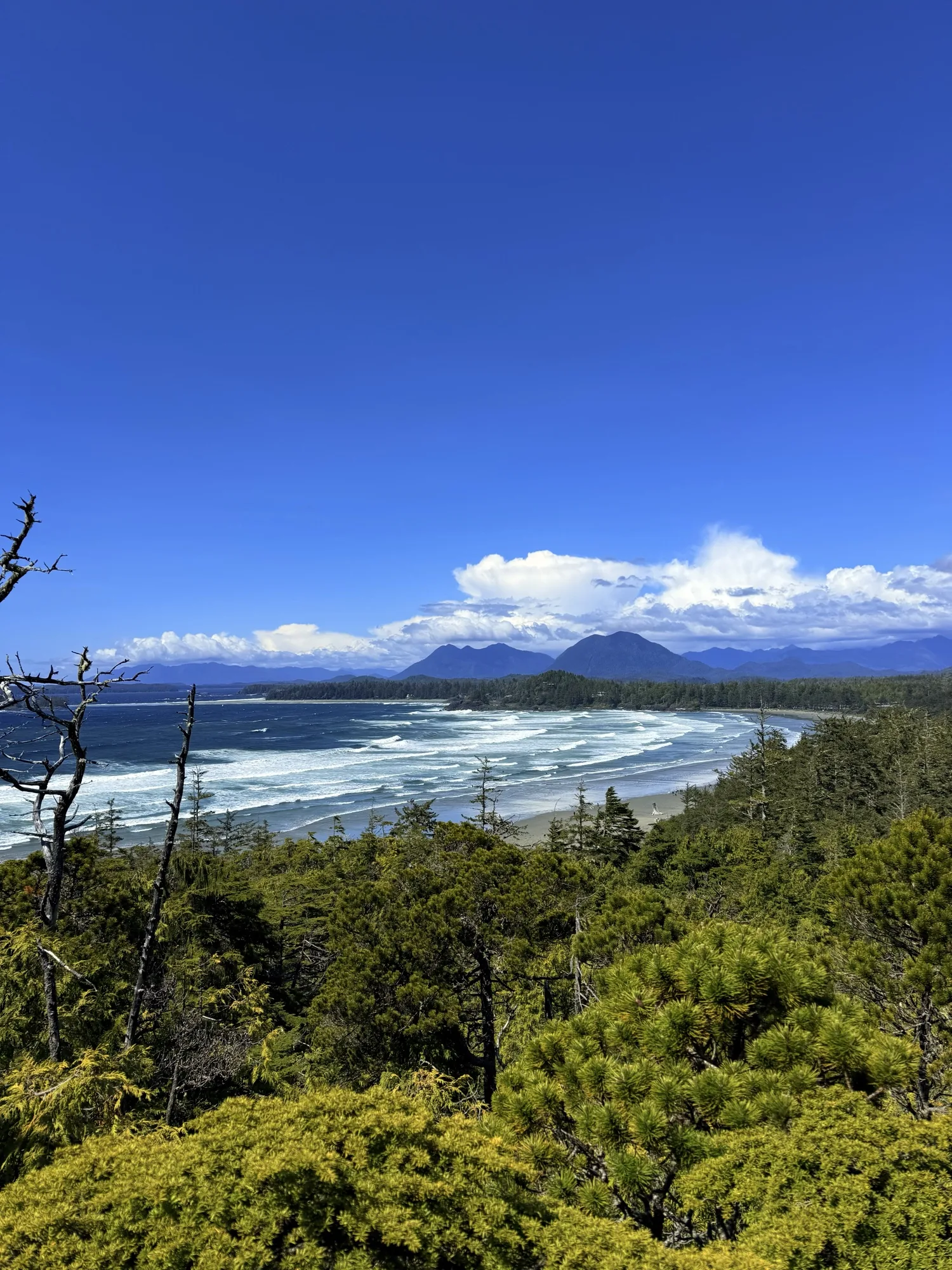
Forest overlooking a broad Tofino beach, ocean waves and distant mountainsView photograph
03 / Tofino

Where the forest meets the ocean.

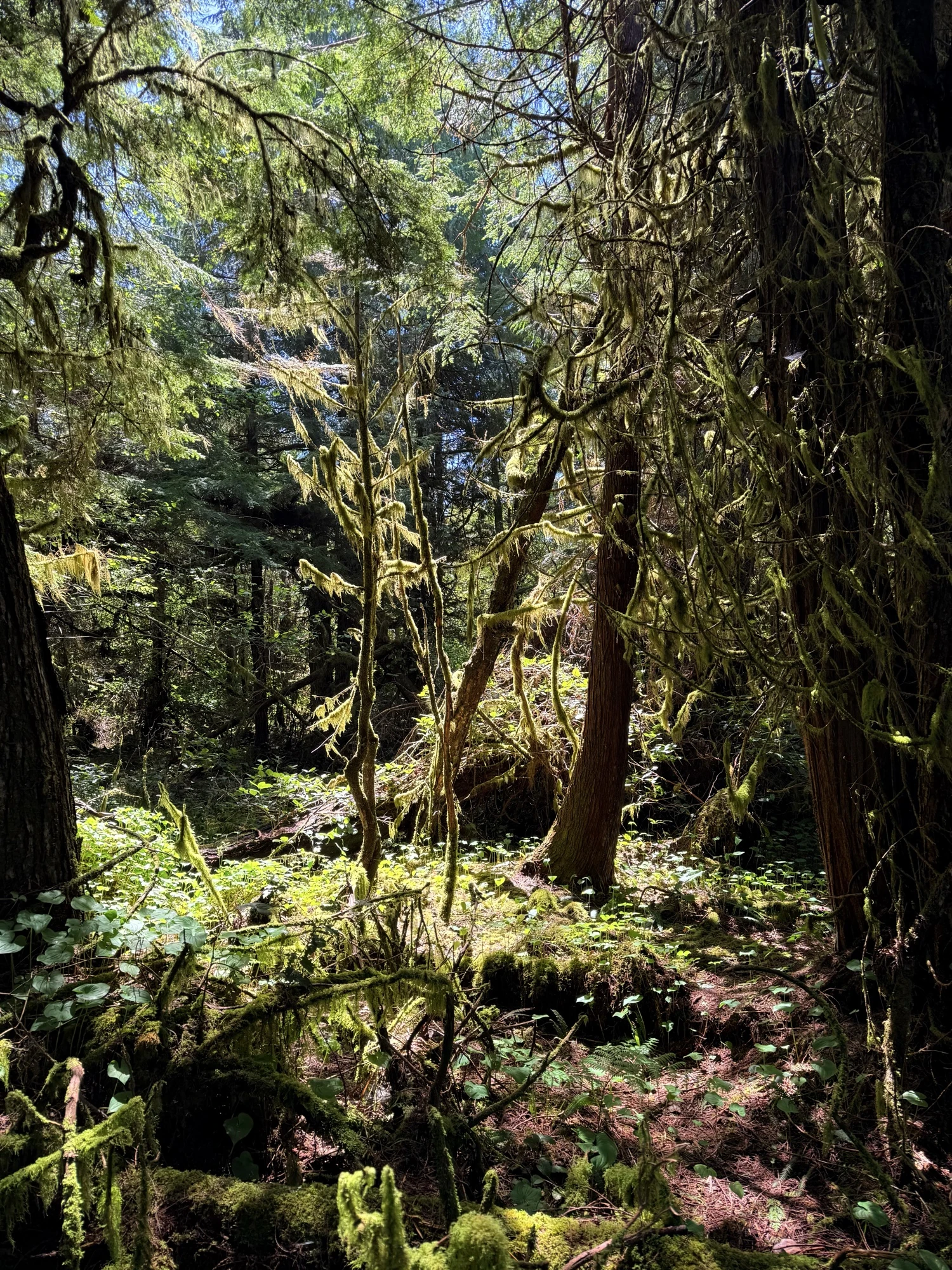
Sunlight filtering through a lush forest of moss-covered trunks, branches and ferns, photographed by our co-founder

More than timber. More than a landscape.

A forest is
a living community.

Protect the trees. Protect the wildlife.
Preserve the ecosystems that connect them.

Wildlife & habitat

The lives between
the branches.

These species help explain the importance of habitat conservation. They are not a list of confirmed project beneficiaries, and their habitat needs are not all the same.

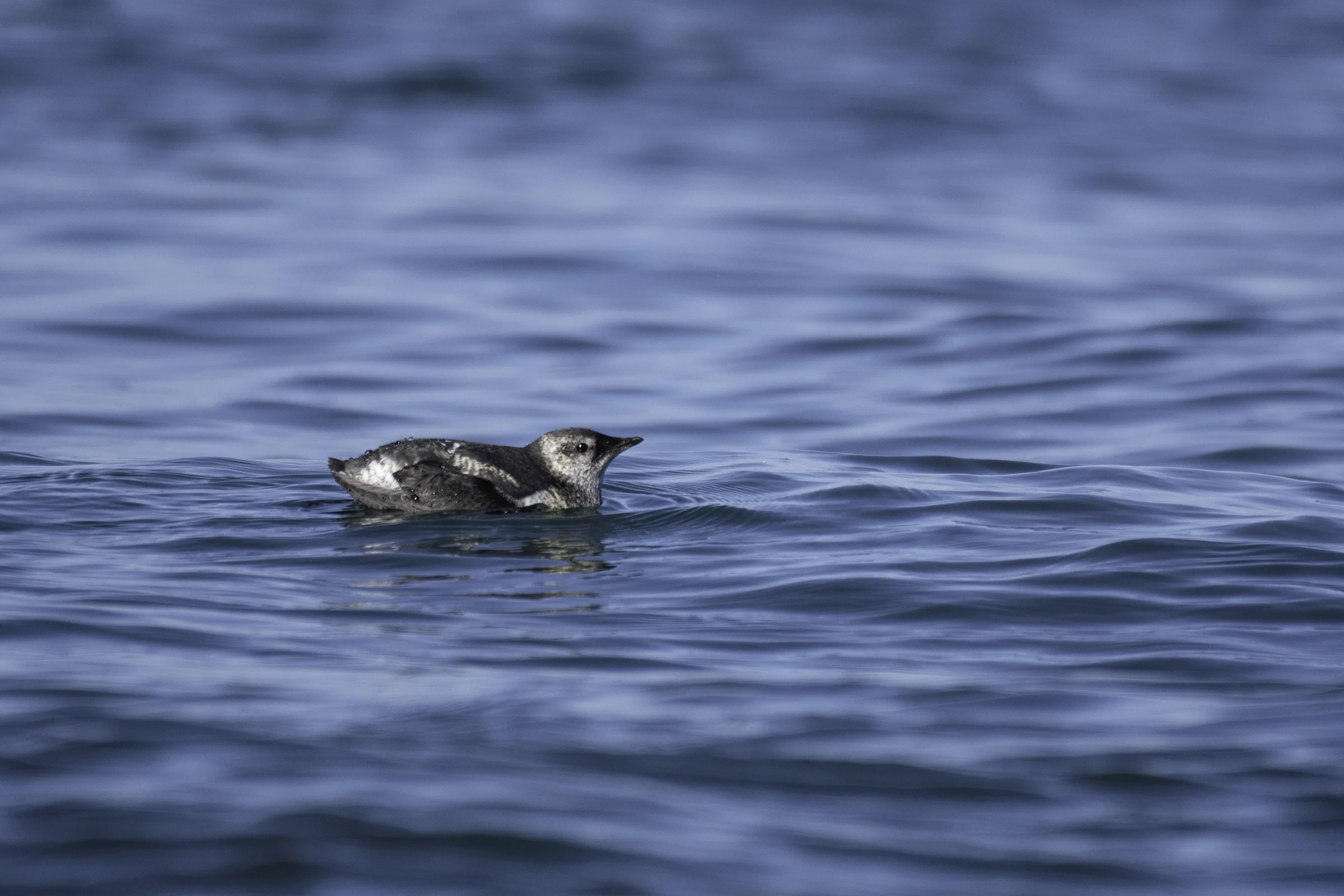
Marbled murrelet resting on blue ocean water; reference photograph taken in AlaskaView photograph

Vancouver Island / Threatened in Canada

Marbled murrelet

A life at sea. A nest in an ancient tree. This seabird feeds in coastal waters but depends on mature coastal forest for nesting.

Why its habitat matters

Large, moss-covered branches provide nesting habitat that younger forests cannot immediately replace. Its range includes Vancouver Island, making the murrelet a direct connection between ancient forests and coastal wildlife. Canada’s recovery strategy.

Photographed in Homer, Alaska; species reference, not One Journey fieldwork.
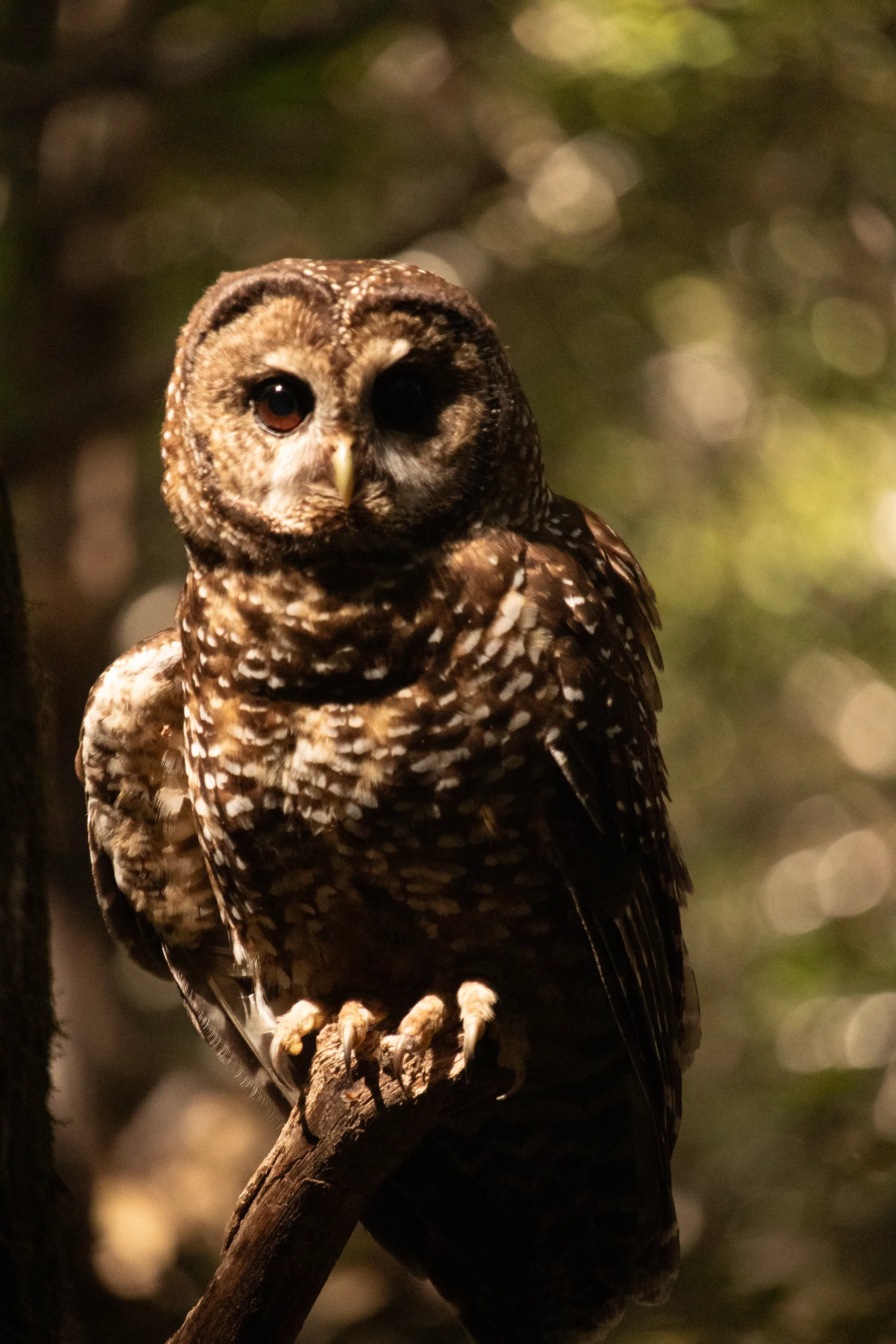
Female northern spotted owl perched in woodland, looking toward the camera; reference photographView photograph

Mainland B.C. / Endangered in Canada

Northern spotted owl

An old-forest specialist whose decline illustrates the consequences of losing complex, mature habitat.

Why its habitat matters

The owl depends on features of mature and old-growth forests. Its historic Canadian range is on mainland B.C., not Vancouver Island, so it is included as a wider conservation example rather than a local species. B.C. government species guidance.

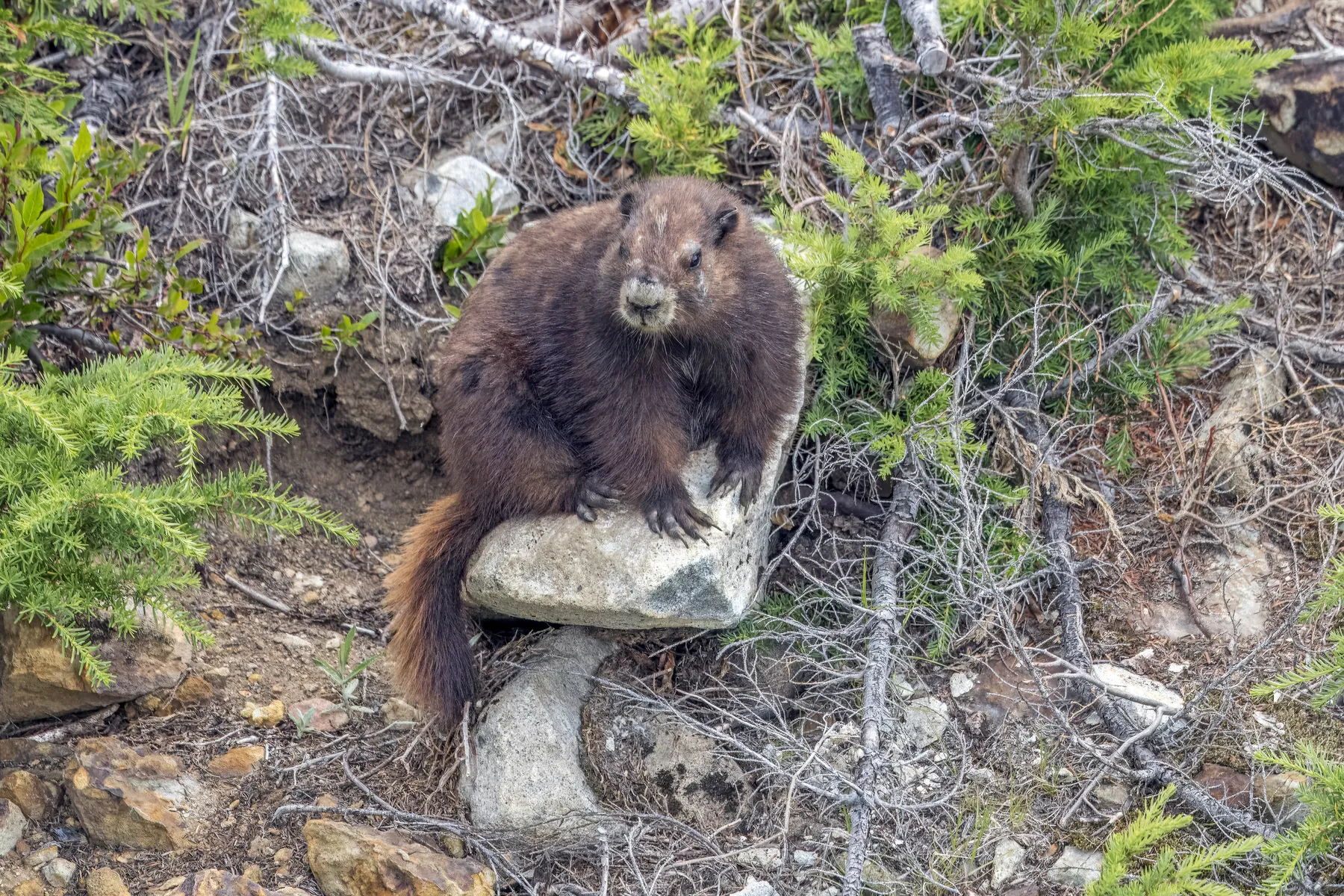
Vancouver Island marmot resting on a rock at Mount WashingtonView photograph

Vancouver Island / Endangered in Canada

Vancouver Island marmot

Found naturally only on this island. Its story reminds us to consider connected landscapes, beyond individual stands of trees.

Why its habitat matters

This marmot primarily lives in high-elevation subalpine meadows, not coastal forest interiors. It provides broader landscape context; we are not claiming that protecting a particular old-growth stand will directly benefit marmots. Canada’s species assessment.

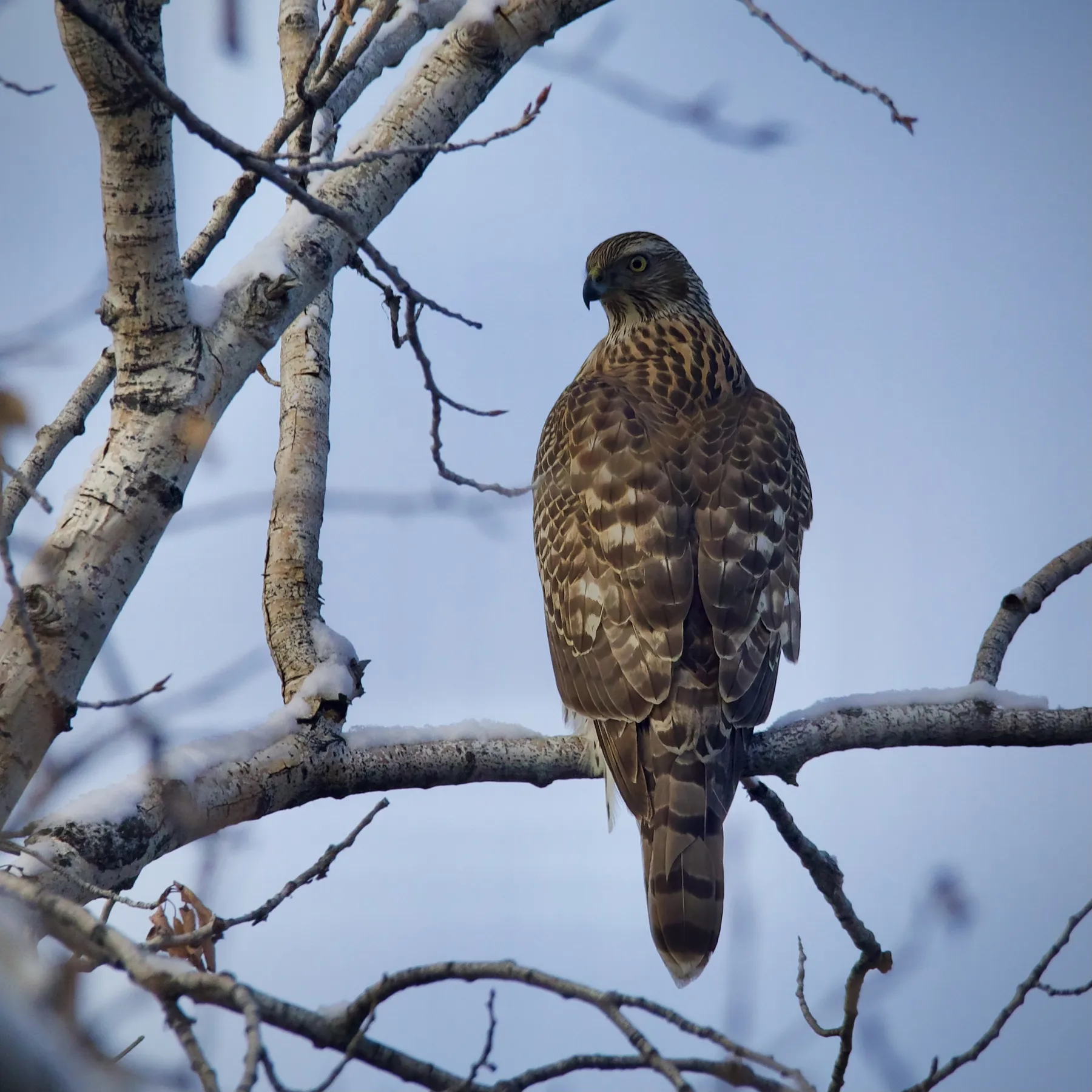
American goshawk perched in a snowy tree in Alberta; not verified as the coastal laingi subspeciesView photograph

Coastal laingi / Threatened in Canada

Northern goshawk

The coastal laingi subspecies needs extensive mature forest for nesting and hunting. Connected habitat matters, not isolated trees.

Photo: American goshawk in Alberta; not verified as laingi.

Why its habitat matters

Canada’s recovery strategy identifies the coastal subspecies on Vancouver Island and elsewhere on the Pacific coast, with mature and old forests important for nesting and foraging. Canada’s recovery strategy.

The photograph illustrates the broader American goshawk species, not a confirmed laingi individual or a local project sighting.

Our mission / Our model

Support the people
protecting the forest.

We aim to help conserve threatened old-growth forests, protect vulnerable wildlife habitats and support lasting conservation efforts.

One Journey will raise awareness and funds, evaluate suitable initiatives, and support experienced conservation organizations. We will not independently manage forestry operations, conduct ecological fieldwork or run wildlife rescue facilities.

  1. 01

    Raise awareness

    Use accessible stories, real imagery, our website and social channels to explain why ancient forests and wildlife habitats matter.

  2. 02

    Raise funds

    Build dedicated support for More Than a Tree. The initial proposed fundraising target is $10,000 CAD.

  3. 03

    Support conservation

    Evaluate credible initiatives and direct available funds to approved forest and wildlife habitat protection efforts.

  4. 04

    Report what happened

    Explain who received support, how project funds were used, and which outcomes can be documented and attributed.

Three conservation priorities

  • Protect irreplaceable ancient forests.
  • Protect habitat for vulnerable wildlife.
  • Help prevent further habitat destruction and fragmentation.

Phase 1 / Preliminary allocations

Where the support
would go.

Our proposed first goal is $10,000 CAD. These allocations are a working plan, not funds already raised or spent.

Initial fundraising target$10,000 CAD

80% intended for direct conservation support.

Old-growth forest conservation

Support for approved initiatives working toward forest protection.

$5,000 50%

Wildlife & habitat protection

Complementary conservation support for vulnerable species and habitats.

$3,000 30%

Public awareness & fundraising

Accessible educational content and project fundraising activities.

$1,500 15%

Administration & operations

Project administration and operational support.

$500 5%

The budget may change with available funding, verified conservation needs and approved organizational expenditures. Forest and wildlife allocations may support the same initiative when both objectives are served; outcomes will not be counted twice. Donations are not open yet.

The details / Open what interests you

A clear plan.
No blind trust.

The first step is to establish the project and evaluate conservation opportunities. Funding relationships, recipients and delivery dates are not confirmed.

Proposed timeline
  1. Months 1–2

    Establish the project

    Publish the project, develop its identity and payment setup, and identify suitable existing conservation initiatives.

  2. Months 3–6

    Fundraising & awareness

    Launch campaigns when payment arrangements are ready, share educational content and explore conservation funding relationships.

  3. Months 6–12

    Conservation support

    Allocate available funds to approved initiatives and obtain documentation of how contributions were used.

  4. End of year 1

    Review & continuation

    Publish a project summary, review results and contributions, and establish the next funding goal.

These are indicative stages from project establishment, not confirmed calendar dates. Timing will remain flexible according to funding and conservation opportunities.

How potential recipients will be selected

We will assess conservation objectives, relevant experience, transparency and the ability to document meaningful outcomes. Partnerships and recipients will be confirmed before financial commitments are made.

Possible routes include established old-growth forest organizations, Indigenous-led stewardship and wildlife habitat conservation initiatives. Ancient Forest Alliance is one organization we may evaluate; it is not a confirmed partner or recipient.

We will respect Indigenous rights and the leadership of First Nations in stewardship of their territories. No organization’s logo will be presented as a partner until an arrangement is confirmed.

What we will measure and report
  • Total funds raised and actual allocations to forest and wildlife habitat conservation.
  • Conservation initiatives financially supported and documented use of contributions.
  • Verified habitat outcomes and species or ecosystems benefiting, where reliable evidence exists.
  • Public awareness and fundraising engagement.
  • Actual spending, remaining funds and explanations of material budget changes.

Hectares protected, restoration outcomes or wildlife benefits will only be reported when supported by reliable documentation. We will clearly attribute specialist conservation work to the organizations carrying it out, rather than claim we independently saved forests or animals.

Our position on responsible forestry

Forestry supports jobs, families, communities and regional economies. Our goal is not to eliminate the industry or disregard the people whose livelihoods depend on it.

We aim to support stronger protection for irreplaceable old-growth ecosystems alongside responsible practices, Indigenous rights, local communities and sustainable economic opportunities.

Protecting our oldest forests and supporting strong communities should not be mutually exclusive goals.

Why habitat protection matters

Ancient forests are living ecosystems, not simply collections of trees. Habitat loss can remove shelter, food, nesting and breeding sites; fragmentation can separate connected habitats.

Planting new trees cannot immediately replace the structures and ecological relationships that have developed over centuries. Our proposed support will prioritize ecologically important forests and initiatives with clear, credible conservation objectives.

The aim is to protect living communities and their connections, not count trees in isolation.

Long-term vision and current limits

More Than a Tree will begin with conservation opportunities on Vancouver Island. Over time, it may expand to other threatened forest ecosystems in Canada and internationally.

The project is proposed and in initial development. No conservation partnership, recipient, launch date, protected area or impact result is being announced. The budget is preliminary, and donations are not open yet.

Our commitment will remain the same: protect the trees, protect the wildlife, and preserve the ecosystems that connect them.

Help shape what comes next

Keep something
irreplaceable standing.

If you would like to support the project when giving opens, suggest a conservation opportunity or discuss a potential partnership, we would like to hear from you.

Express interest in supportingDiscuss a conservation opportunity

Current status: Proposed · Initial development.
No active donation checkout is being shown.

Photographs, licences & conservation context

The forest and travel photographs are original images supplied by our co-founders. Wildlife photographs are reference imagery, not photographs of conservation work undertaken by One Journey Foundation. Website copies have been compressed and may be cropped for display; no AI-generated wildlife or forest imagery is used.

  • Northern spotted owl in dappled light: Sounds Wild, CC BY-SA 4.0. Original: 3,456 × 5,184. Website copies are resized and compressed, with crops for display and link previews; these image adaptations retain the same licence.
  • Marbled murrelet: TRinaud, CC BY 4.0. Original: 4,105 × 2,737. Homer, Alaska.
  • Northern spotted owl, close portrait: Sounds Wild, CC BY-SA 4.0. Original: 3,456 × 5,184. Resized and compressed, with display crops; these image adaptations retain the same licence.
  • Vancouver Island marmot: Charles J. Sharp, CC BY-SA 4.0. Mount Washington, Vancouver Island. Original downloaded: 5,035 × 3,357. Resized and compressed, with display crops; these image adaptations retain the same licence.
  • American goshawk reference: John Krampl, CC BY, via iNaturalist (photo 451828702). Original downloaded: 2,048 × 2,048. Photographed in Alberta, not verified as coastal laingi. Resized and compressed, with crops for display. Original photograph and licensing details.
  • Original forest photograph and the three Vancouver / Tofino photographs: supplied by the co-founders of One Journey Foundation. These document the journeys and landscapes inspiring the project, not completed conservation work or confirmed conservation sites.

Conservation context is linked within each species description. The owl is explicitly a mainland example; the marmot provides subalpine landscape context. Neither is being represented as a coastal forest-interior species on Vancouver Island.

Photograph