Streets &
public spaces.
A possible context for investigating litter moving from everyday activity into the stormwater system.
Project 03 / Ontario, Canada
What if the best place to clean Lake Ontario isn’t Lake Ontario?
A source-first pollution prevention project. Follow the pollution back to its source, and test what stops it before it reaches the lake.
A One Journey Foundation project · Developing for 2027
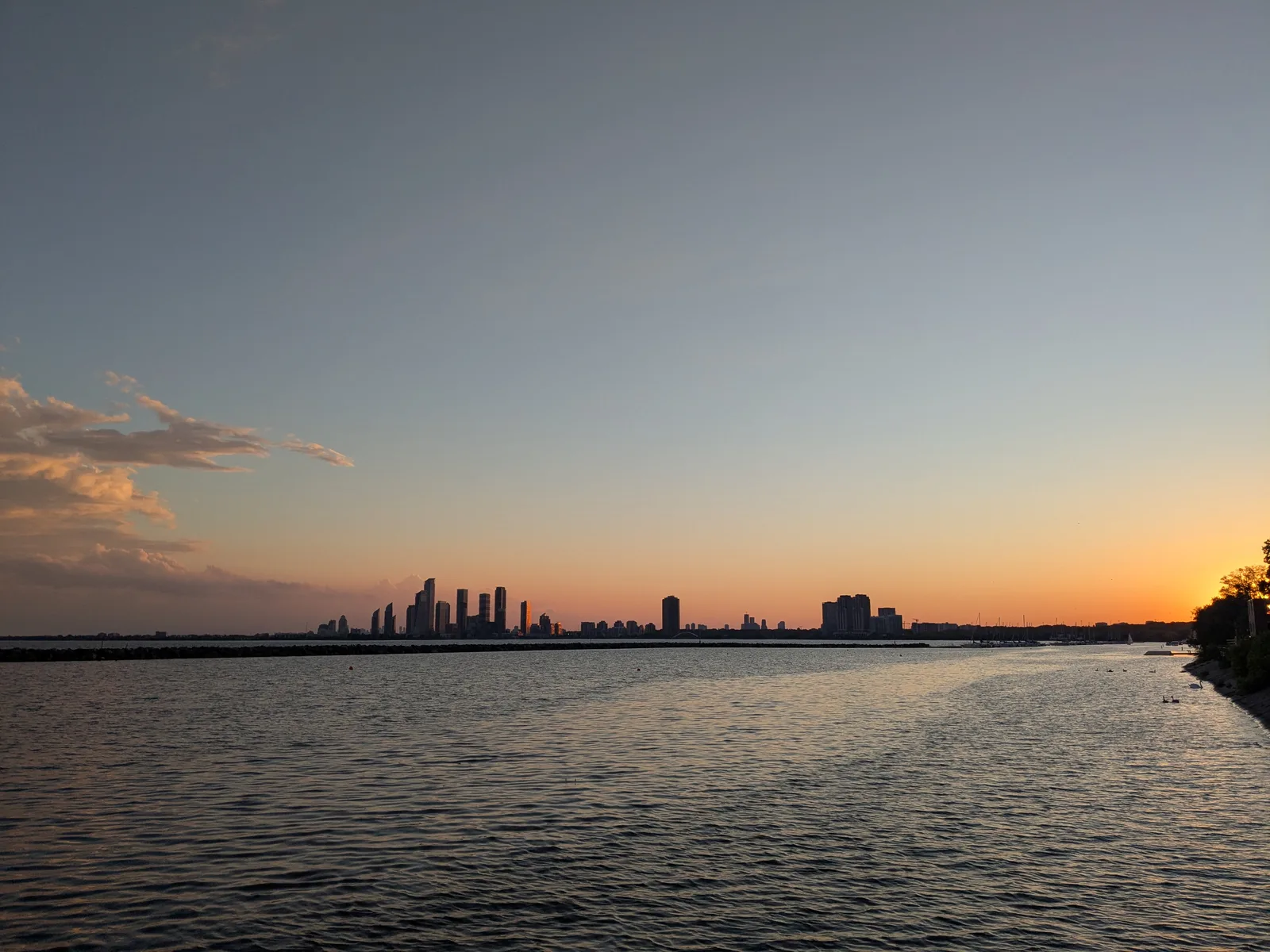
Mimico Creek watershed, Ontario
Source-first pollution prevention
Three small Prevention Labs
Developing for 2027
Start earlier / Think upstream
Before the Lake is a source-first pollution prevention project by One Journey Foundation. Instead of focusing only on cleaning pollution after it reaches the water, the project is designed to identify where litter is entering the system, trace recurring waste back toward its source, test targeted prevention measures, and measure whether less pollution arrives downstream.
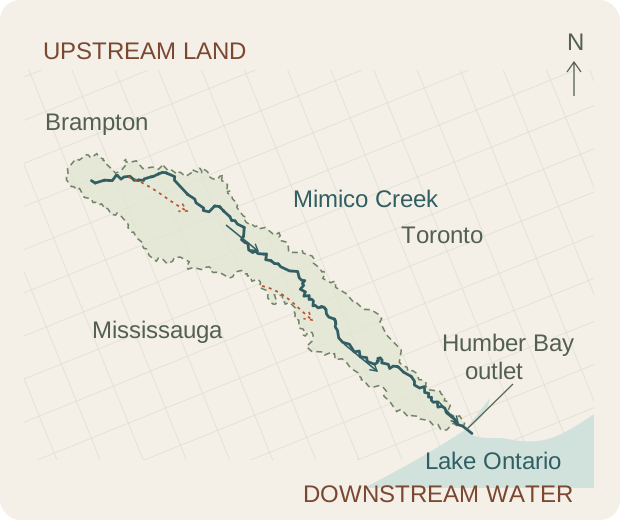
Mimico Creek flows through a highly urbanized watershed and eventually into Lake Ontario (TRCA watershed context). Rain and runoff can carry litter from streets, public spaces and surrounding urban areas into storm drains, storm sewers, the creek and ultimately the lake (City of Toronto stormwater guidance).
The pollution journey / Downstream
Our investigation / Back toward the source
Where is the waste coming from, and what is the earliest practical point where we can stop it?
One connected system
A watershed is the area of land where rain and runoff drain into the same water system. In this case, water moving through streets, storm drains and surrounding urban areas can eventually flow into Mimico Creek and then into Lake Ontario.
Understanding the watershed helps show why pollution prevention has to start upstream.
The watershed reaches across Brampton, Mississauga and Toronto, connecting urban land to the lake. TRCA watershed information.
How it works
Understand what is moving through the system, identify likely source pathways, and test a response designed for that place.
Monitor selected pollution pathways and establish what litter is actually moving through them.
Count, categorize and document the recurring waste types found at each location.
Use field observations, surrounding land use and local information to identify likely upstream source pathways.
Design a prevention measure specifically for the source identified instead of applying the same solution everywhere.
Repeat the same monitoring and compare the results.
Document successful approaches so they can potentially be repeated in other Great Lakes communities.
The first pilot / Prevention Labs
The first pilot is being designed around three small Prevention Labs within the Mimico Creek watershed. Each will represent a different urban environment, following the same process.
Site selection is still being refined, permissions are still being worked on, and technical consultation is underway. Exact monitoring locations are not yet approved.
A possible context for investigating litter moving from everyday activity into the stormwater system.
A possible context for identifying recurring waste and investigating the pathways around local businesses.
A possible context for understanding how neighbourhood activity connects to downstream litter.
Illustrative urban contexts under consideration, not selected or approved lab sites.
The target / Not a result
30%Our first challengeThe pilot will test whether targeted source-prevention interventions can reduce selected recurring litter reaching monitored downstream locations by 30% or more.
This is a project target, not a claimed result. The purpose of the pilot is to test what works and measure the outcome transparently.
A different definition of impact
Most cleanups measure how much waste was removed.
Before the Lake asks a different question:
The goal is not simply to collect more litter. It is to understand why it keeps appearing and reduce the flow upstream.
Community involvement
Source Investigators are volunteers and community participants who may help with litter surveys, categorization, hotspot walks and selected field activities.
Participation is about looking closely, asking better questions and helping build a useful picture of what keeps reaching the water. Activities will depend on site permissions, safe access and the final pilot arrangements.
Express interestAn example pollution fingerprint / Illustrative data only
Example counts, not findings from the project. The investigation begins with patterns, then asks what might explain them.
The long-term outcome
At the end of the pilot, One Journey Foundation intends to document the process, lessons, intervention methods and measured outcomes in an open public resource that could help other communities apply a similar source-prevention approach.
A practical record of what was tested, what changed and what others can learn from it. Not just a story about one watershed, but a method that could travel.
Status / In Development
One Journey Foundation is currently developing the first Before the Lake pilot in the Mimico Creek watershed. The team is identifying suitable monitoring areas, working toward local partnerships and permissions, refining the measurement methodology and preparing the project for 2027.
No government approval or funding, grant selection, confirmed institutional partnership or achieved reduction is being claimed. Sites, permissions and delivery arrangements remain in development.
Investigation to intervention
We’re building the first Before the Lake pilot for 2027. Follow One Journey Foundation as the project develops from investigation to intervention.